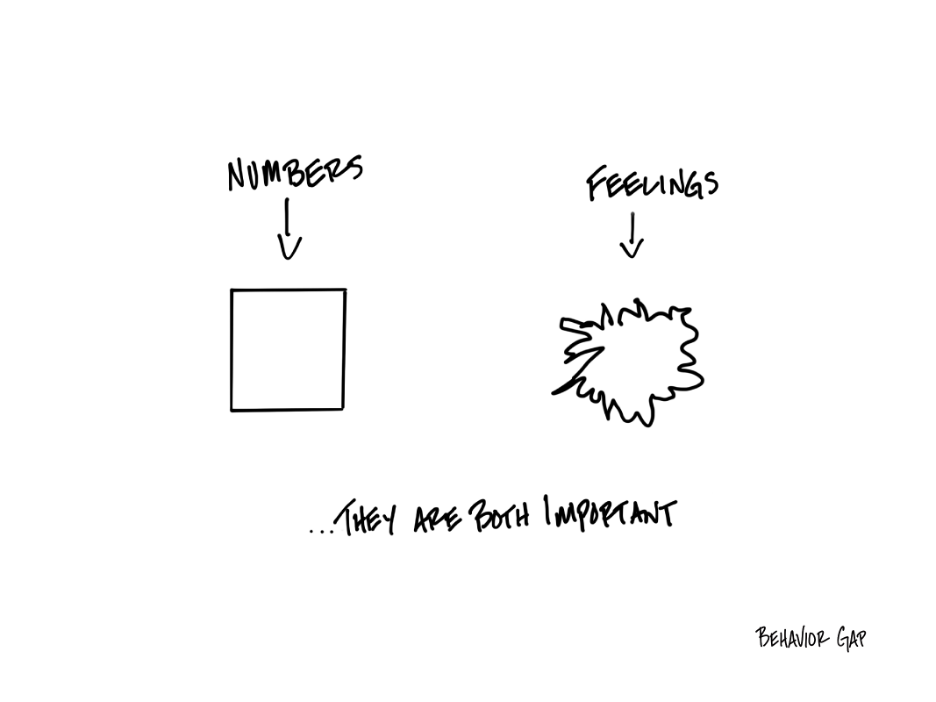
Numbers and Feelings

Amar Pandit , CFA , CFP 

November 13, 2026 | 1 Minute Read
Amar Pandit , CFA , CFP
November 13, 2026 | 1 Minute Read

Amar Pandit , CFA , CFP
Pandemics. Wars. Bear markets. Recessions. Inflation. Tariffs. Debt ceilings. Elections. Every one of these words has, at some point, been the headline that rattled i.... Read More
8 August, 2025 | 3 Minute Read
Amar Pandit , CFA , CFP
Most investors are not stuck because of lack of information. They are stuck because of indecision. They keep researching. Then researching more. Then waiting for “just a.... Read More
31 October, 2025 | 3 Minute Read
Amar Pandit , CFA , CFP
Are you smart with money. Or a little too smart. At first, this may sound strange. Because being smart is good. More knowledge. More information. More awarene.... Read More
17 April, 2026 | 2 Minute Read
To install this website on the Home Screen tap on  and then tap on Add To Home Screen!
Our posts are designed to keep you informed and keep your investment anxieties at bay. Subscribe Now!



0 Comments