You Can’t Show Off Your Mutual Funds

Amar Pandit , CFA , CFP 

November 11, 2025 | 5 Minute Read
You can show off your real estate. You can show off your car. You can show off your art collection.
But you can’t show off your mutual funds.
No one walks into a party and says, “Look at my mutual fund.” No one brags about owning a basket of blue-chip stocks.
That’s part of the reason hedge funds, private equity, and venture capital became so popular. They gave the wealthy something to talk about.
At a dinner party, saying you invested in a well-diversified equity portfolio doesn’t get you attention. But say you own part of a high-growth startup or private equity fund, and people listen.
For many investors, it’s not just about returns. It’s about status.
Owning exclusive investments creates a sense of belonging. It signals that you’re part of a special club. That you have access to opportunities that others don’t. That you’re playing a different game.
The financial industry understands this. It has always created products that appeal to emotions more than logic.
Venture capital isn’t just about funding the next big company. It’s about the thrill of being an early investor in something new. It’s about the possibility of saying, “I was in before it was cool.”
Private equity isn’t just about improving businesses. It’s about being part of a powerful, behind-the-scenes group that takes companies to the next level.
Hedge funds aren’t just about sophisticated strategies. They are about exclusivity. They are about fees that signal high status, because why would something so expensive exist unless it was extraordinary?
The irony is that many of these investments underperform.
Most hedge funds don’t beat a simple S&P 500 fund. Many private equity firms struggle to generate excess returns after fees. A large percentage of venture capital investments fail completely.
But that doesn’t stop people from wanting them. Because these investments aren’t just about performance. They are about identity.
There’s another side to this.
Investments like mutual funds and bonds are boring. They don’t give you something to talk about. They don’t make you look like an insider.
And that’s why many investors ignore them. Even when they work better. Even when they are the smartest choice.
The best investment strategies are often the least exciting.
They don’t give you bragging rights. They don’t make you feel special. They don’t offer exclusivity.
But they work.
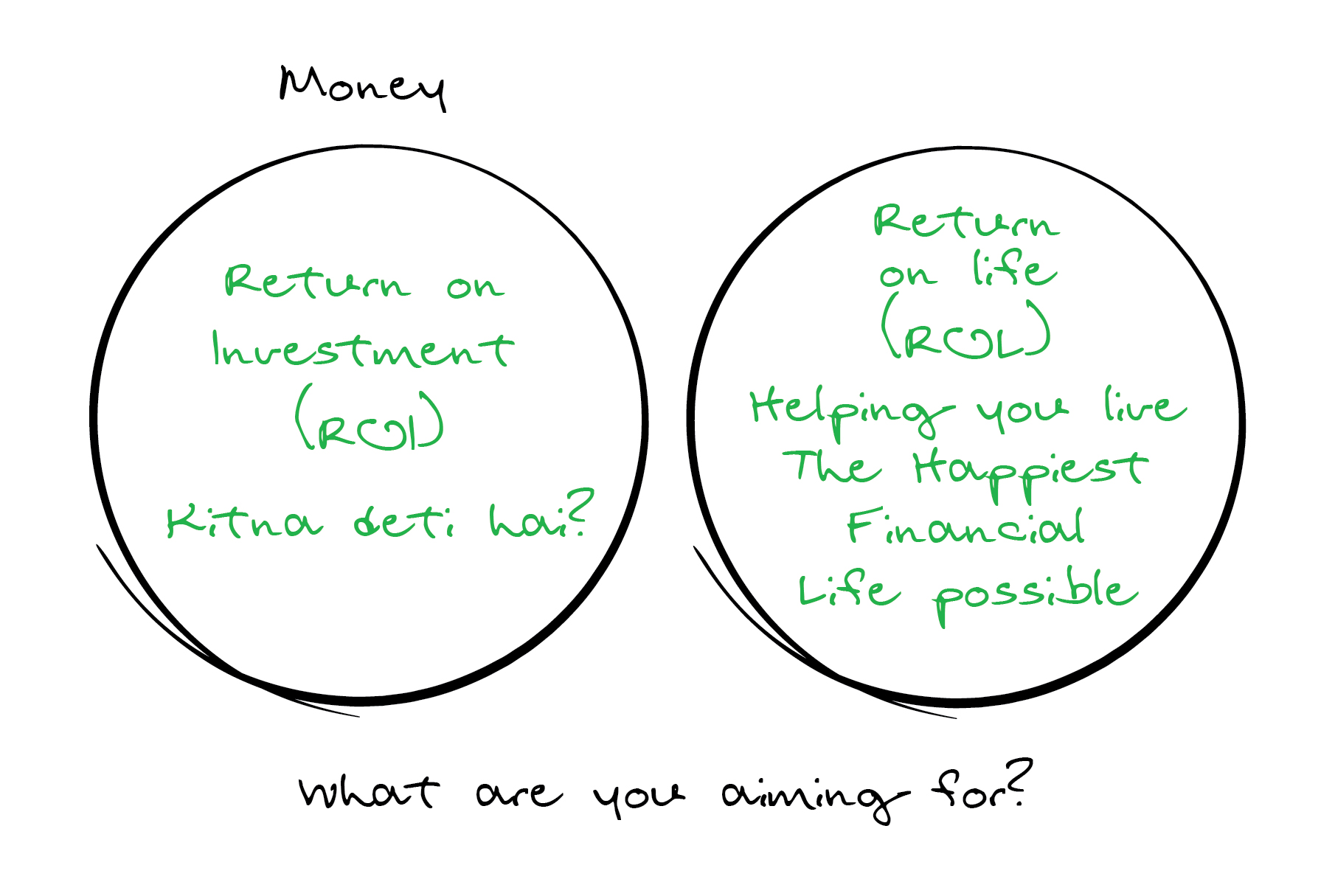
The real game of wealth isn’t about showing off. It’s about growing and preserving money over time. It’s about achieving freedom. It’s about making sure your wealth serves your life, not your ego.
The problem with status-driven investing is that it creates bad decisions.
People chase high-cost, high-risk investments for the wrong reasons. They get drawn into funds they don’t understand. They take on complexity that doesn’t add value. They trade liquidity for exclusivity, only to regret it later.
The best investors don’t fall into this trap.
They don’t need their portfolio to impress people. They don’t need to justify their decisions at social events. They understand that wealth is built through discipline, patience, and rational thinking.
They know that boring investments like diversified portfolios and compounding over decades are the real secrets to investing success.
And they are okay with the fact that they can’t show off their mutual funds.
Because they don’t need to.
They let their wealth do the talking.



 and then tap on
0 Comments